
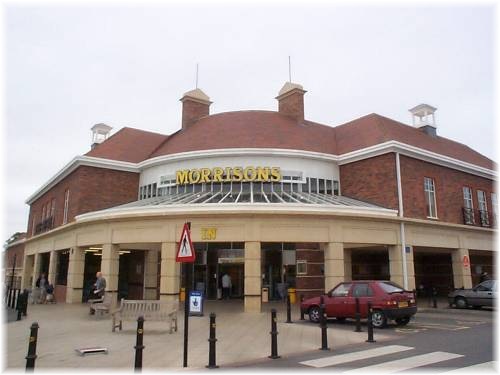
In contrast John Lewis, the owner of Waitrose has come out with some more very good results, despite in general retailers tailing off a little over the hot summer in terms of performance.
To me what this amply demonstrates is that the recovery is still very Southern and London based. Wealthy areas are seeing the benefit of better jobs and payrises and are able to generate new jobs. Indeed the ONS figures out yesterday bare this out. Of the 207,000 new jobs created, 200,000 are in London and the South-East. Also, the confidence people get from their house price going up by big margins has brought renewed optimism, but only in London and commuter land
By contrast, in the north of the country, the fall in public sector jobs continues and there is little private sector kindling to inspire a recovery. House prices are not rising at the same rates and so a steady state continues, albeit at a much lower level than in the now distant past of the early naughties.
And yet, despite this obvious contrast in the economy, many Labour and Tory MP's are dead set against HS2. Willing to believe any scare stories about the massive cost over-runs which are now up to 4x what the original plan was (most large projects that I have seen or watched tend to come in between 2-2.5x initial estimates, so £40-50 billion, over 20 years is about right for the full project).
We desperately need to upgrade the roads and my default position is usually to invest in roads as this accounts for 95% of traffic and journeys. However, in the very long-term, surely connecting the rest of the Country more easily to the growth region of the UK should be a high priority. Not only that but there is record money availabe in Europe in Infrastructure funds, pls long-term bank debt available too - the private sector can easily be tapped right now for investment. It must be worth a billion or two a year out of £700-odd billion spending to try this. After all, this whole North-South divide thing is not exactly a new phenomen is it?

